


Overcoming Food Selectivity in Children in Children with Developmental Disabilities
Food selectivity is a common challenge for many children, particularly those with developmental disabilities like Autism Spectrum Disorder (ASD)....
2 min read

Helene Cierzo, Mental Health Specialist : Aug 27, 2025 12:00:00 AM
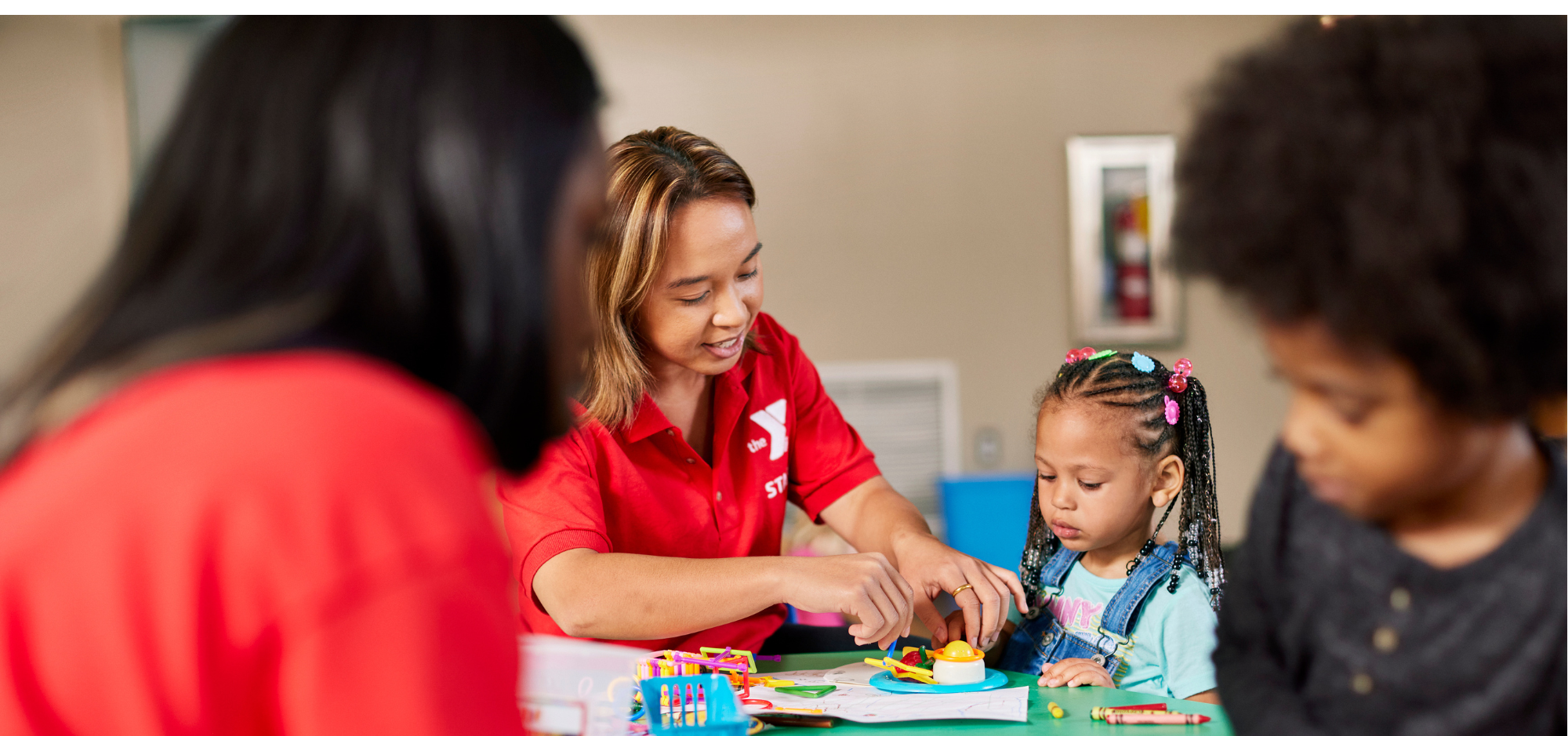
Beginning preschool is a significant milestone in a child's development, providing vital opportunities for growth, learning, and the formation of new friendships. Yet, for many young children, this big step can also bring mixed emotions. At the Metropolitan YMCA of the Oranges, we understand that while this transition can be exciting, it also brings mixed emotions for many young children. We are committed to creating a welcoming and supportive environment where every child feels like they belong. Addressing the Challenges of Transitioning to Preschool For many children, the prospect of separating from their caregivers for the first time can be overwhelming. Feelings of worry or uncertainty are common, but parents and educators can work together to help ease these transitions. Simple actions, such as sharing your child’s teacher’s name, showing them a photo of their classroom, or even practicing the drop-off routine, can make the first day less intimidating.
The Importance of Relationships in Early Childhood Building strong, trusting relationships with early childhood providers plays a powerful role in a child’s social and emotional development. These bonds not only support a child’s sense of security during their preschool years, but they also lay the foundation for resilience, confidence, and positive relationships well into adulthood. At the Y, we prioritize connection and belonging, knowing the lasting impact these early experiences have on each child’s growth and well-being.
1. Social Stories and Books
Children often understand new experiences better when they are introduced to them through stories. Reading books about starting preschool can help normalize their feelings and prepare them for what to expect. You can even create a personalized social story that includes your child’s name, favorite characters, or photos of their new school or teacher. Some excellent books include: "Llama Llama Loves His Teacher" by Anna Dewdney "Pete the Kitty's First Day of Preschool" by James Dean "Our Classroom Rules!" by Kallie George
2. Establishing Routines
Reintroducing consistency before school begins helps children feel secure. Start practicing morning routines at home: waking up at a set time, eating breakfast, getting dressed, brushing teeth, and packing a backpack, so that the rhythm of a school day feels familiar when preschool begins.
3. Adjusting Lunch and Nap Times
Ask your child’s teacher about the daily schedule for meals and rest time. Gradually align your child’s mealtime and nap routines at home to match those in their classroom to make the transition smoother and help avoid overtired or hungry first days.
4. Encouraging Independence
Preschool is a wonderful time for children to practice independence. Encourage your child to use the bathroom, wash their hands, and manage these self-care tasks on their own. These small skills build confidence and allow children to feel more capable in the classroom settings.
5. Discussing Emotions
It’s important to listen carefully and validate your child's feelings about starting preschool. Encourage open discussions about emotions, reassuring them that it’s okay to feel sad or nervous. Use reassuring phrases like, “It’s okay to feel sad” or “I understand you might be nervous.” If your child expresses sadness about leaving their family, acknowledge their concern and gently reassure them that while you won’t be with them during the school day, their teacher will be there to help and care for them. You can also talk about the positive aspects of school, such as making new friends, playing with different toys, and learning new things. Using books, emotion cards, role play, or even drawing can also give children safe ways to express their emotions. When children feel heard and supported, they are more likely to approach preschool with confidence and trust.
Building Confidence for Lifelong Learning At the Y, we believe that a smooth start to preschool sets the stage for a lifelong love of learning. Guided by our core values of caring, honesty, respect, and responsibility, we partner with families to nurture each child’s confidence and a sense of belonging. Together, by preparing at home and fostering a nurturing classroom environment, we can help every child step into this new chapter with confidence, joy, and a strong sense of belonging.
By incorporating these strategies, you can support your child's transition to preschool, creating a positive and enriching experience that lays the groundwork for future academic success and emotional well-being. To learn more about our preschool and early childhood programs, visit metroymcas.org/childcare.
LIVINGSTON, NJ — December 15, 2025 — The Metropolitan YMCA of the Oranges, a leading non-profit organization serving Bergen, Essex, and Sussex...
LIVINGSTON, NJ — December 5, 2025 — The Metropolitan YMCA of the Oranges marked a major milestone Friday, Dec. 5 in the construction of the new West...
Food selectivity is a common challenge for many children, particularly those with developmental disabilities like Autism Spectrum Disorder (ASD)....

The holiday season is a very exciting time of year. There are lots of parties, celebrations, and family outings that can leave children feeling...
For many families, enrolling a child in an Early Childhood Learning Center marks the first time their little one is away from primary caregivers....